
Iran has launched new attacks against U.S. facilities in the Gulf, escalating tensions after six consecutive nights of American strikes on Iranian military targets. The latest exchange of attacks marks a further deterioration of the fragile truce that had temporarily reduced fighting between Washington and Tehran. Both sides have continued carrying out military operations, raising fears of a wider regional conflict. Iran’s military said it targeted U.S. facilities in Bahrain and Kuwait early Friday. Explosions were also reported in Doha, Qatar, where authorities said a child was injured by shr
Iran has launched new attacks against U.S. facilities in the Gulf, escalating tensions after six consecutive nights of American strikes on Iranian military targets.
The latest exchange of attacks marks a further deterioration of the fragile truce that had temporarily reduced fighting between Washington and Tehran. Both sides have continued carrying out military operations, raising fears of a wider regional conflict.
Iran’s military said it targeted U.S. facilities in Bahrain and Kuwait early Friday. Explosions were also reported in Doha, Qatar, where authorities said a child was injured by shrapnel.
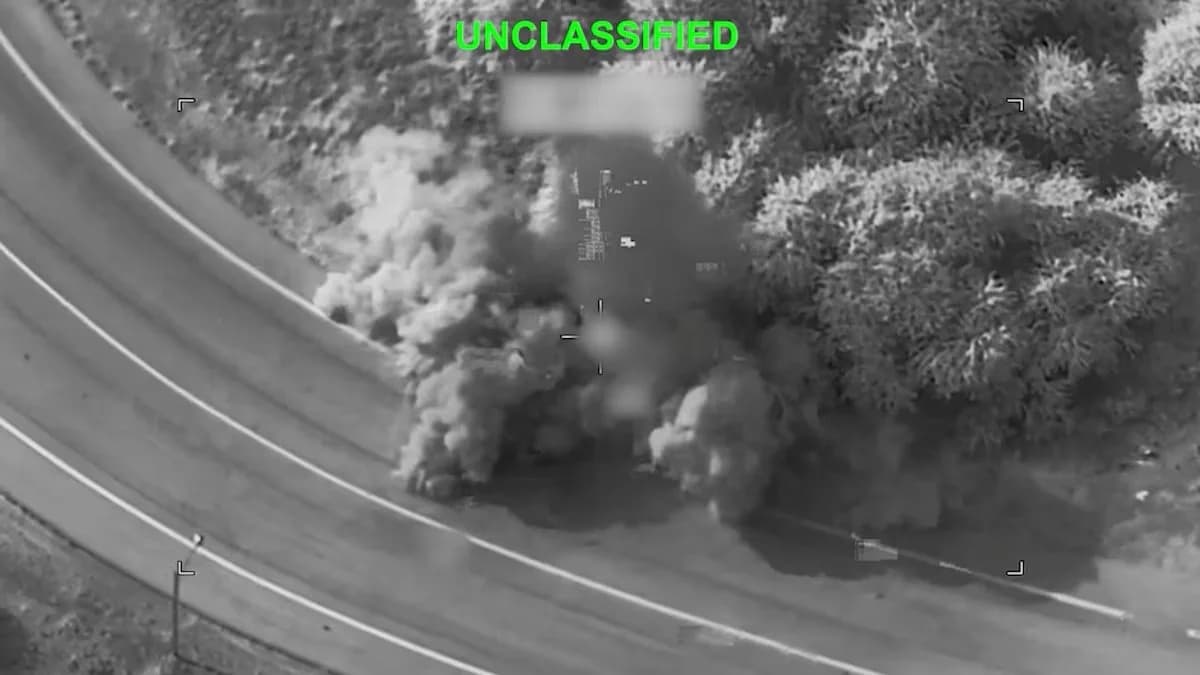
Meanwhile, the U.S. military said it conducted another wave of strikes against Iranian military positions, including sites on Qeshm Island and near Bandar Abbas, home to Iran’s largest port and important naval facilities.
The U.S. Central Command said the strikes targeted Iranian coastal surveillance systems, air defense locations, military logistics infrastructure and maritime capabilities.
Iranian state media reported that several locations, including bridges, a train station and an airport, were hit during the latest U.S. attacks. The reports could not immediately be independently verified.
Strait of Hormuz Becomes a Major Flashpoint
The conflict has once again disrupted traffic through the Strait of Hormuz, one of the world’s most important routes for oil and gas shipments.
Iran has moved to restrict shipping through the strategic waterway, while the United States has increased pressure on Iranian ports. The disruption has contributed to rising global energy prices and growing concerns over international trade.
Sources told Reuters that Iran has also considered using its influence over Houthi allies in Yemen to threaten another key shipping route, the Bab al-Mandeb Strait, if Washington attacks further Iranian infrastructure.
Calls for Diplomacy Amid Rising Fear
Despite the military escalation, both sides have indicated that diplomacy remains possible.
U.S. officials said President Donald Trump remains open to negotiations but warned Iran would face consequences for attacks on American interests.
Inside Iran, civilians have expressed growing concerns over the return of conflict.
“Living with this fear that war could start again is very exhausting,” one Tehran resident told Reuters, calling for diplomacy to prevail.
The latest developments have increased fears that the confrontation between Iran and the United States could expand beyond military targets and create wider instability across the Middle East.



Comments
No comments yet. Be the first to share a thought.