
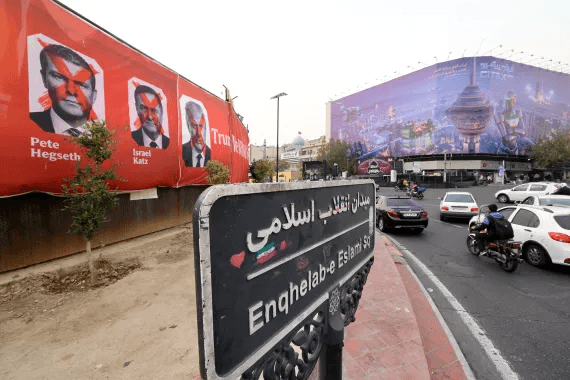
Iran has ruled out negotiations with the United States until Washington meets seven conditions set by Tehran, as tensions continue to escalate across the Middle East, particularly around the strategically important Strait of Hormuz.
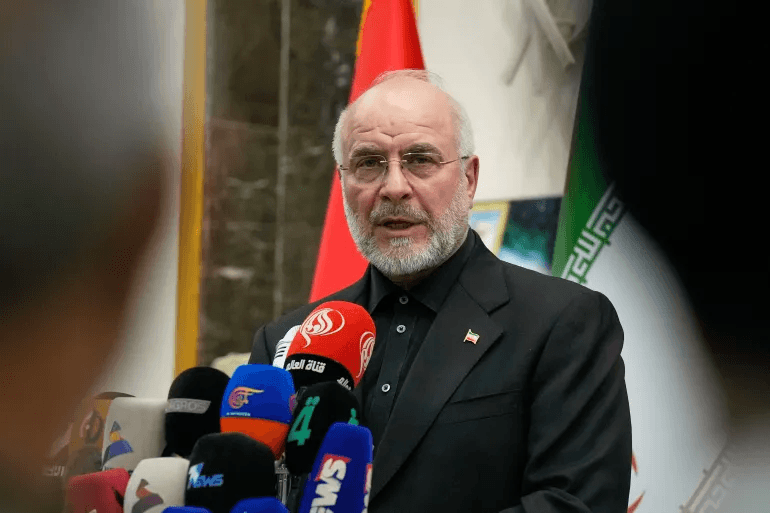
Iranian Parliament Speaker Mohammad Bagher Ghalibaf, who is also the country's chief negotiator, said Tehran would neither take action nor enter negotiations until its demands were fulfilled.
In a statement carried by the Fars news agency, Ghalibaf warned that Iran was prepared to respond decisively to any hostile actions and could expand the geographical scope of the conflict if its adversaries made what he described as a miscalculation.
Iran's conditions reportedly include lifting the US naval blockade on Iranian ports, easing economic sanctions, releasing frozen Iranian assets, ending hostilities across all fronts and formally declaring the war over.
The demands come as Washington continues to tighten economic and financial pressure on Tehran. On Monday, the US Treasury Department announced sanctions targeting more than two dozen Iranian exchange houses, front companies and individuals accused of supporting Iran's financial networks.
US Treasury Secretary Scott Bessent said Washington would continue disrupting financial channels allegedly used to fund Iran's military activities and weapons programmes.
Meanwhile, Iran's Islamic Revolutionary Guard Corps (IRGC) Navy claimed that three oil tankers had caught fire after striking naval mines in the Strait of Hormuz. The military said two vessels hit mines in the eastern section of the strategic waterway, triggering powerful explosions.
The IRGC also warned ships against using unauthorised maritime routes, with Navy chief Ali Ozmaei saying vessels must comply with Iranian maritime warnings.
The Strait of Hormuz is one of the world's most important energy shipping routes, making any disruption a major concern for international oil markets and global trade.
Despite the security risks, oil prices remained near three-month lows on Tuesday. Brent crude traded at approximately $88.97 per barrel, while US West Texas Intermediate stood at $79.94, amid concerns about global supply levels.
Elsewhere, diplomatic efforts to reduce regional tensions are continuing. Qatar's Prime Minister and Foreign Minister, Sheikh Mohammed bin Abdulrahman Al Thani, held discussions with US Secretary of State Marco Rubio in Washington, focusing partly on regional security and efforts to de-escalate tensions.
However, with Tehran insisting that its seven conditions must be met before negotiations can begin, the prospects for renewed diplomatic engagement remain uncertain.
The standoff raises wider concerns about regional stability, maritime security and the potential economic consequences of a prolonged confrontation between Iran and the United States.
Comments
No comments yet. Be the first to share a thought.