
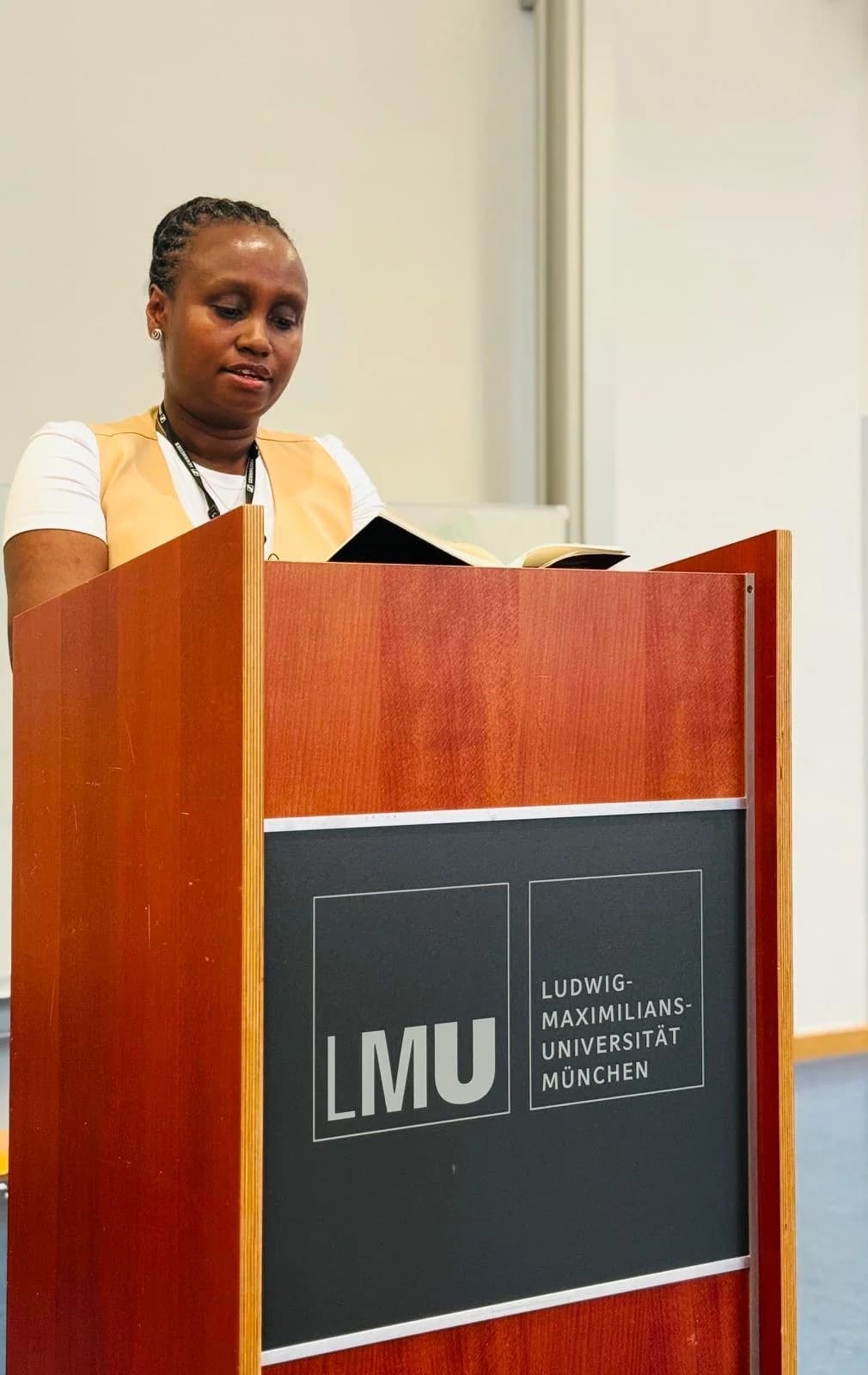
Rwandan genocide survivor, author and advocate Judence Kayitesi on 7 July 2026 shared her extraordinary journey of survival and healing with students and faculty at Ludwig Maximilian University of Munich (LMU), urging young people to become guardians of memory and champions of peace. Speaking during the Students Remember Talk, Kayitesi reflected on the horrors of the 1994 Genocide against the Tutsi in Rwanda, recounting how her childhood was shattered by one of the darkest chapters in modern history. Through her testimony, she emphasized that education, dialogue and remembrance remain among t
Rwandan genocide survivor, author and advocate Judence Kayitesi on 7 July 2026 shared her extraordinary journey of survival and healing with students and faculty at Ludwig Maximilian University of Munich (LMU), urging young people to become guardians of memory and champions of peace. Speaking during the Students Remember Talk, Kayitesi reflected on the horrors of the 1994 Genocide against the Tutsi in Rwanda, recounting how her childhood was shattered by one of the darkest chapters in modern history. Through her testimony, she emphasized that education, dialogue and remembrance remain among the most powerful tools for preventing hatred and genocide. Looking back on the months leading up to the genocide, Kayitesi said she could sense growing divisions within society, even as a child. Although she did not fully understand the political tensions at the time, she remembered increasing discrimination against Tutsi children in schools and communities. "The moment I realized something truly horrifying was happening was when the violence began and people started fleeing," she recalled. "Suddenly, neighbors turned against neighbors. The world I knew disappeared almost overnight. As an eleven-year-old child, I did not understand why it was happening, but I knew that we were no longer safe." The genocide claimed the lives of her parents and many members of her extended family. During the violence, she survived a brutal machete attack that left her seriously injured, while witnessing unimaginable atrocities that no child should ever experience. "The physical wounds eventually healed, but the emotional wounds remained for many years," she said. Kayitesi explained that recovery was neither immediate nor easy. Like many survivors, she focused first on surviving each day before gradually finding strength through remembrance, solidarity with fellow survivors, and rebuilding her life. She also addressed the devastating use of sexual violence during the genocide, describing it as one of the many atrocities inflicted upon women and girls. While she did not personally experience sexual violence, she honored the courage of survivors who have chosen to share their stories, including her friend and fellow survivor, author Consolee Nishimwe. "Sexualized violence was used as a weapon during the genocide, leaving deep physical and emotional wounds that many survivors continue to carry today," she said. "It is important to acknowledge their courage and honor their resilience." For years after the genocide, Kayitesi found it difficult to speak about the trauma she had endured. Having lost nearly her entire family, she carried her grief in silence before eventually opening up to trusted friends and fellow survivors. Those conversations, she said, became an important step toward healing. Writing, however, proved to be one of the most transformative parts of her recovery. "Writing gave me a way to express feelings that were difficult to put into words," Kayitesi said. "Through my books, I have been able to preserve the memory of my family, contribute to education about the Genocide against the Tutsi, and transform silence into testimony." She stressed that her books are not solely about suffering, but also about resilience, hope, healing and the extraordinary strength of the human spirit. Following the event, Kayitesi expressed heartfelt gratitude to Ludwig Maximilian University of Munich for creating an environment where difficult histories can be explored with empathy, openness and respect. "I am deeply grateful to Ludwig Maximilian University of Munich for the kind invitation to share my story and engage in such meaningful conversations," she said. She praised the students for their thoughtful questions and genuine commitment to understanding Rwanda's history, saying their engagement reaffirmed her belief that education is one of humanity's strongest defenses against hatred and intolerance. "The thoughtful questions and genuine interest reminded me that education is one of the strongest bridges between people and cultures," she said. "I leave Munich inspired and full of hope. Together, through dialogue and understanding, we can help build a future where humanity triumphs over hatred." Kayitesi concluded by thanking the organizers of the Students Remember Talk, particularly Professor Johannes Großmann and Christoph Plate, for making the event possible and for their continued commitment to preserving the memory of the 1994 Genocide against the Tutsi. Her visit to LMU served as a powerful reminder that while the scars of genocide remain, the voices of survivors continue to educate, inspire and strengthen the global commitment to ensuring such atrocities are never repeated.
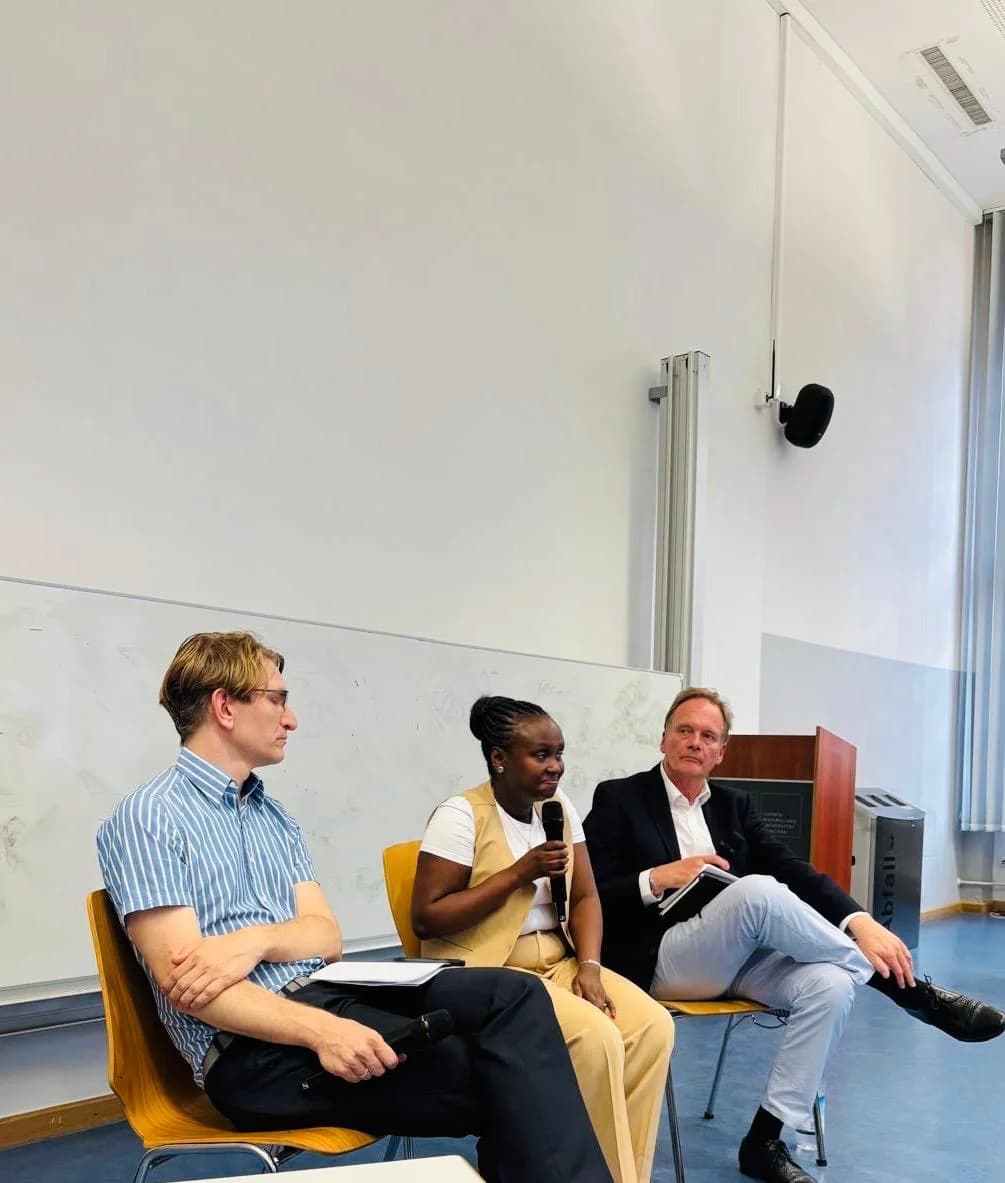
Judence Kayitesi addresses students and faculty at Ludwig Maximilian University of Munich (LMU) during the Students Remember Talk, where she shared her personal story of surviving the 1994 Genocide against the Tutsi in Rwanda and emphasized the importance of remembrance, education, resilience, and building a future free from hatred.
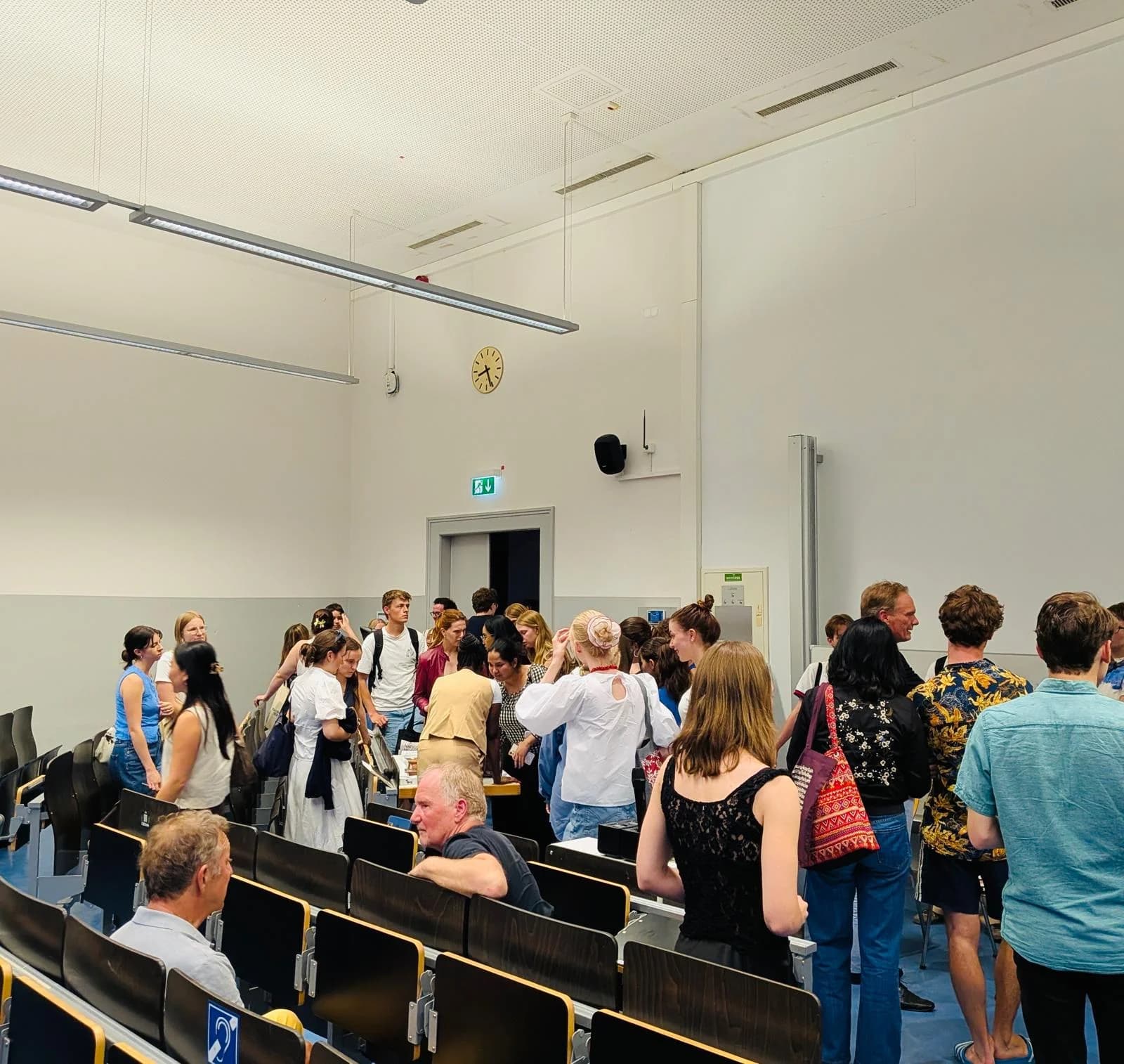
Judence Kayitesi expressed her sincere appreciation to the students of Ludwig Maximilian University of Munich (LMU) for their thoughtful questions, empathy, and commitment to learning about the 1994 Genocide against the Tutsi in Rwanda. She said their engagement gave her hope that education and dialogue can help build a future where humanity triumphs over hatred.



Comments
No comments yet. Be the first to share a thought.