
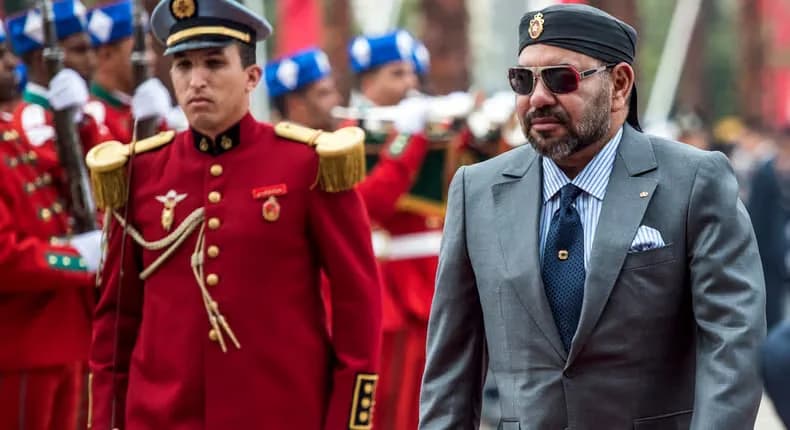
Morocco’s King Mohammed VI has marked 27 years on the throne, with the country receiving praise for its economic transformation, industrial growth and expanding global influence. However, the anniversary also comes amid continued migration pressures, as thousands of Moroccans seek better opportunities in Europe. Since taking power in 1999 following the death of his father, King Hassan II, Mohammed VI has overseen major investments in infrastructure, manufacturing, renewable energy and trade. Morocco has developed into one of Africa’s leading industrial economies, attracting global companies in
Morocco’s King Mohammed VI has marked 27 years on the throne, with the country receiving praise for its economic transformation, industrial growth and expanding global influence. However, the anniversary also comes amid continued migration pressures, as thousands of Moroccans seek better opportunities in Europe.
Since taking power in 1999 following the death of his father, King Hassan II, Mohammed VI has overseen major investments in infrastructure, manufacturing, renewable energy and trade. Morocco has developed into one of Africa’s leading industrial economies, attracting global companies in automotive, aerospace and clean-energy sectors.
The country’s strategic position between Africa and Europe has helped it become a major logistics hub. The Tangier Med port has grown into one of the continent’s busiest ports, connecting African markets with Europe and global supply chains.
Morocco has also built a strong automotive industry, becoming a production centre for international vehicle manufacturers and suppliers. Investments in electric vehicle production and battery manufacturing have further strengthened its role in the global industrial economy.
Despite these achievements, economic inequality and unemployment remain major challenges, especially among young people. Many Moroccans continue to struggle with limited job opportunities, healthcare concerns and education challenges.
The economic progress has not stopped migration attempts toward Europe. Thousands of Moroccan citizens have continued to risk dangerous journeys across the Mediterranean and into Spain’s territories, including Ceuta, in search of better living conditions.
European Union data has shown a significant number of Moroccan citizens recorded as irregularly present in Europe between 2021 and 2025, highlighting ongoing migration pressures despite Morocco’s economic advances.
Beyond economic reforms, Morocco has expanded its diplomatic and military influence. The country has strengthened defence cooperation with international partners, including the United States, while investing in modern military equipment.
During the Throne Day celebrations in Tetouan, King Mohammed VI received messages of congratulations from world leaders, including European monarchs, African leaders and presidents from major global powers, reflecting Morocco’s growing international role.
With continued industrial growth and major investments planned ahead of the 2030 FIFA World Cup, Morocco aims to strengthen its position as a regional economic power. However, the challenge remains ensuring that economic development creates enough opportunities for all citizens and reduces the pressure driving migration abroad.



Comments
No comments yet. Be the first to share a thought.