
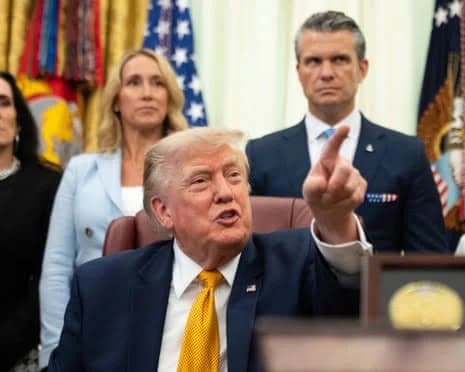
The United States and Iran have signalled possible progress in diplomatic efforts aimed at reducing tensions and restoring stability after months of conflict, with U.S. President Donald Trump saying the two sides had held “very good discussions” during recent negotiations. Trump said talks between Washington and Tehran were “moving along very nicely” and suggested that an agreement could soon help reopen the Strait of Hormuz, one of the world’s most important maritime routes for energy shipments. The developments have increased hopes of a potential diplomatic breakthrough, with global markets
The United States and Iran have signalled possible progress in diplomatic efforts aimed at reducing tensions and restoring stability after months of conflict, with U.S. President Donald Trump saying the two sides had held “very good discussions” during recent negotiations.
Trump said talks between Washington and Tehran were “moving along very nicely” and suggested that an agreement could soon help reopen the Strait of Hormuz, one of the world’s most important maritime routes for energy shipments.
The developments have increased hopes of a potential diplomatic breakthrough, with global markets reacting positively. Oil prices declined while stock markets gained as investors anticipated the possibility of reduced tensions and the return of normal shipping activity through the strategic waterway.
The Strait of Hormuz, located between Iran and Oman, is a critical passage for global energy supplies, carrying a significant share of the world’s oil and liquefied natural gas exports. Any prolonged disruption in the area could affect fuel prices, international trade and economic stability.
According to diplomatic reports, the United States and Iran have been discussing an interim arrangement with Oman playing a key mediation role. The proposed agreement focuses on restoring safe shipping routes, reducing military tensions and addressing concerns over maritime security.
Iran’s Foreign Ministry spokesperson Esmaeil Baghaei said discussions with Oman were positive and continuing, while emphasising that any arrangement must respect Iran’s sovereignty and national security interests.
Despite the positive signals, major challenges remain. Washington and Tehran continue to disagree over several issues, including Iran’s nuclear programme, sanctions, regional influence and control of maritime routes.
The conflict has already created significant security concerns in the region. Shipping companies have faced increased risks, while attacks and military confrontations have raised fears of a wider regional escalation.
Regional actors, including Oman and Qatar, have played important roles in encouraging dialogue between the two sides. Qatar has also supported efforts to narrow differences and promote a possible long-term settlement.
Analysts say a successful agreement could bring economic relief, stabilise energy markets and reduce the risk of a broader Middle East conflict. However, they warn that lasting peace will depend on whether both sides can resolve deeper political disagreements.
For now, international attention remains focused on whether the latest negotiations can move beyond temporary arrangements and lead to a sustainable diplomatic solution between Washington and Tehran.



Comments
No comments yet. Be the first to share a thought.