
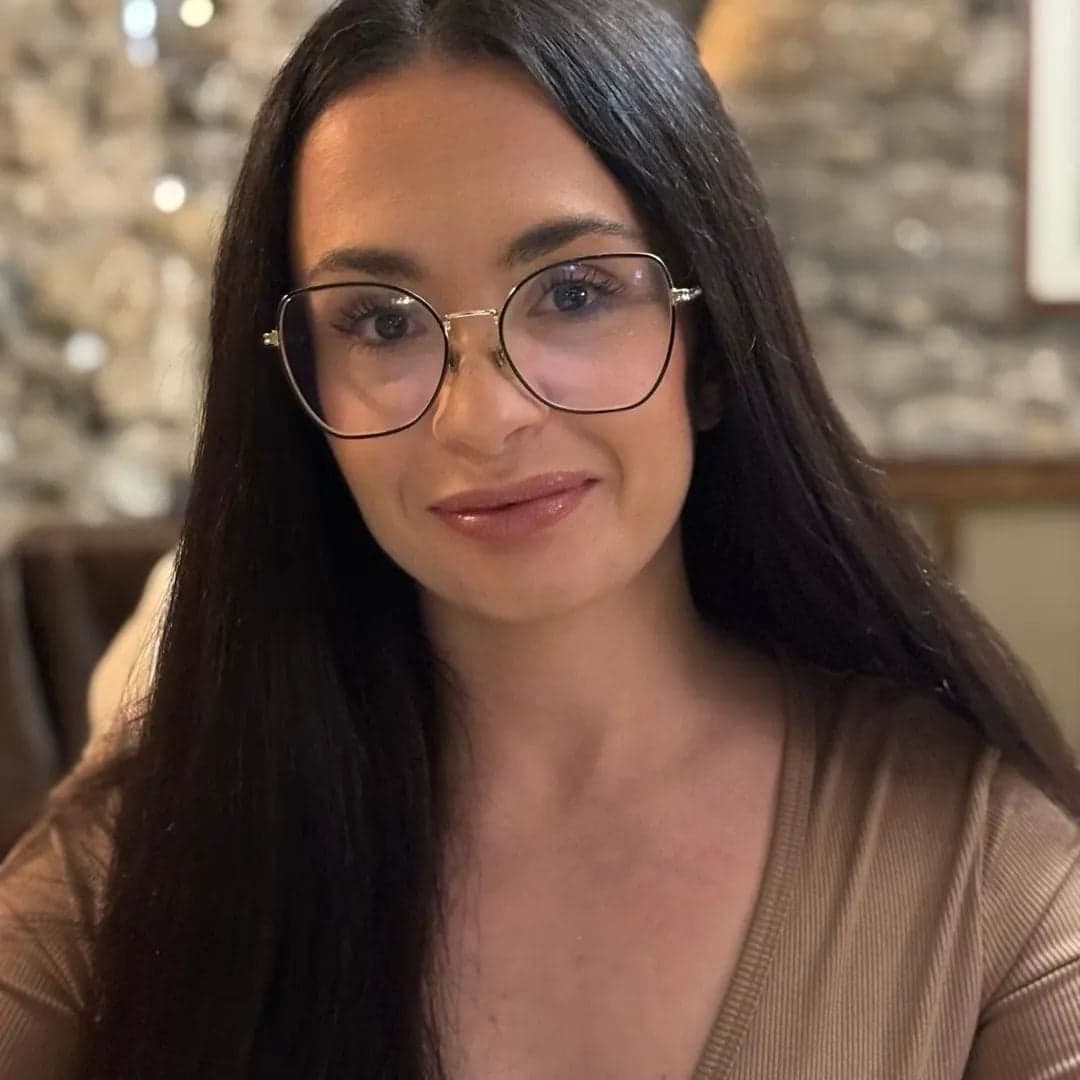
A mother's search for books that could help her daughter grow up connected to her family's languages has developed into a publishing project aimed at helping young children discover language, culture and identity from an early age.
Polo Kabarari Vanessa, a psychologist specializing in education, has created a collection of illustrated books designed for children aged between zero and three. Published in French, English and Kinyarwanda, the books aim to help families pass their languages on to younger generations while introducing children to different words, objects and everyday concepts.
The collection currently consists of four books covering savannah animals, numbers, domestic animals, and fruits and vegetables.
For Vanessa, however, the initiative began with a personal experience rather than a commercial ambition.
“When my daughter was born, I wanted to find tools that would allow us to share my language and my husband's language with her, while also giving me the opportunity to learn alongside her,” she explained.
Unable to find materials that matched what she was looking for, Vanessa decided to create them herself. The idea later developed into a publishing project after people encouraged her to make the materials available to other families.
“I therefore decided to create them myself. Later, someone suggested publishing them so that they could also help other families pass their languages on to their children,” she said.
Preserving language and cultural identity
The decision to publish the books in French, English and Kinyarwanda reflects Vanessa's understanding of the linguistic realities facing many families, particularly those in the diaspora.
She explained that the three languages were selected because they are spoken by many diaspora families and are also part of her daughter's everyday linguistic environment.
Her experience also highlighted a concern about language transmission in Rwanda, where she observed that some children sometimes speak more English and French than Kinyarwanda.
This reinforced her belief that parents need accessible tools to help children learn and maintain their mother tongue, even when it is not the dominant language in their daily surroundings.
For Vanessa, language goes beyond communication. It represents family history, cultural identity and belonging.
“Language is an inheritance. It helps shape the imagination, transmits history and creates a connection with one's origins,” she said.
She added that language is not simply a collection of words but also a way of thinking, recognising oneself, communicating and sharing memories.
Reflecting on her husband's experience, Vanessa explained that much of what he knows about his family and roots was passed down orally.
This, she said, demonstrates the importance of language in intergenerational transmission, helping preserve family and cultural memories while giving children a better understanding of where they come from.
A family project with an educational purpose
The development of the books has been a collaborative effort between Vanessa and her husband.
Although she has not yet had the opportunity to work with professional illustrators, she has handled the creative process using digital applications, from the initial design to the final layout.
“My husband and I did everything together, from creation to publishing. It is truly a family project,” she explained.
Beyond introducing vocabulary, Vanessa believes illustrated books can play a significant role in children's intellectual and emotional development.
She describes books as valuable tools for engaging with children, opening their minds to different cultures, environments and experiences.
She also emphasized the importance of representation in children's literature, arguing that children should be able to see characters who resemble them in the books they read.
“Seeing characters who look like us in books, beyond simple picture dictionaries, is particularly important. It allows children to imagine themselves in different situations, explore other possibilities and nurture their dreams,” she said.
According to Vanessa, representation helps children understand that they also have a place in stories and in the wider world of imagination.
The challenge of making books affordable
Despite the educational motivation behind the initiative, publishing the collection presented significant challenges.
Vanessa initially wanted to produce hardcover books that could withstand the daily handling of very young children. However, finding a suitable publishing house proved difficult, while printing costs threatened to make the final products too expensive for many families.
“The biggest challenge was publishing, to be honest!” she said.
She explained that the cost of producing durable books would have made them too expensive for the intended audience.
“That was not at all what I wanted. I wanted these materials to remain accessible to as many families as possible,” she added.
The family therefore worked to reduce production costs while maintaining affordable prices, reflecting their intention to make early childhood learning materials accessible beyond families with greater financial means.
Looking towards children growing up in Rwanda
Although the books have only recently been released and feedback remains limited, Vanessa says she has already received encouraging responses.
Watching her daughter use the books every day has been a source of satisfaction. She has also met people managing schools in Rwanda who have expressed interest in introducing the materials into their institutions.
However, feedback about the illustrations has raised an important question about cultural representation and the relevance of children's learning materials to different environments.
Some people observed that the settings in the domestic animals book do not necessarily reflect the everyday surroundings of children living in Rwanda.
Vanessa acknowledged the observation, explaining that the collection was initially designed with diaspora families in mind, meaning some illustrations reflect European environments.
She said the feedback had encouraged her to reconsider how future books could better reflect the realities of children growing up in Rwanda.
“This observation has influenced my thinking, and a new book is currently being prepared. The objective is to provide settings and references that are more familiar to children living in Rwanda, so that they too can fully recognise themselves in these materials,” she explained.
The forthcoming publication represents an effort to make children's learning materials more culturally relevant while maintaining the project's multilingual approach.
Beyond illustrated vocabulary books
Vanessa's ambitions extend beyond the four books already published.
She hopes to expand the collection by exploring additional themes while also venturing into children's storytelling.
“Writing children's books also interests me greatly. I would like to try creating real stories, with characters that children can identify with and who, I hope, will inspire them,” she said.
Her broader vision remains centred on giving children access to books that encourage discovery, learning, imagination and personal development.
“The idea remains the same: to offer children books that allow them to discover, learn, dream and build themselves,” she added.
From a mother's search for multilingual learning materials to a family-led publishing initiative, Vanessa's experience highlights the importance of creating children's books that reflect different languages, cultures and environments.
As Rwanda continues to engage with multilingual education and the preservation of cultural identity, initiatives such as hers raise an important question: how can children's literature help the next generation remain connected to its roots while exploring a multilingual world?

Comments
No comments yet. Be the first to share a thought.